Your manufacturer is not a vendor — it is the silent co-author of your brand. Here is how to judge one properly before you commit.
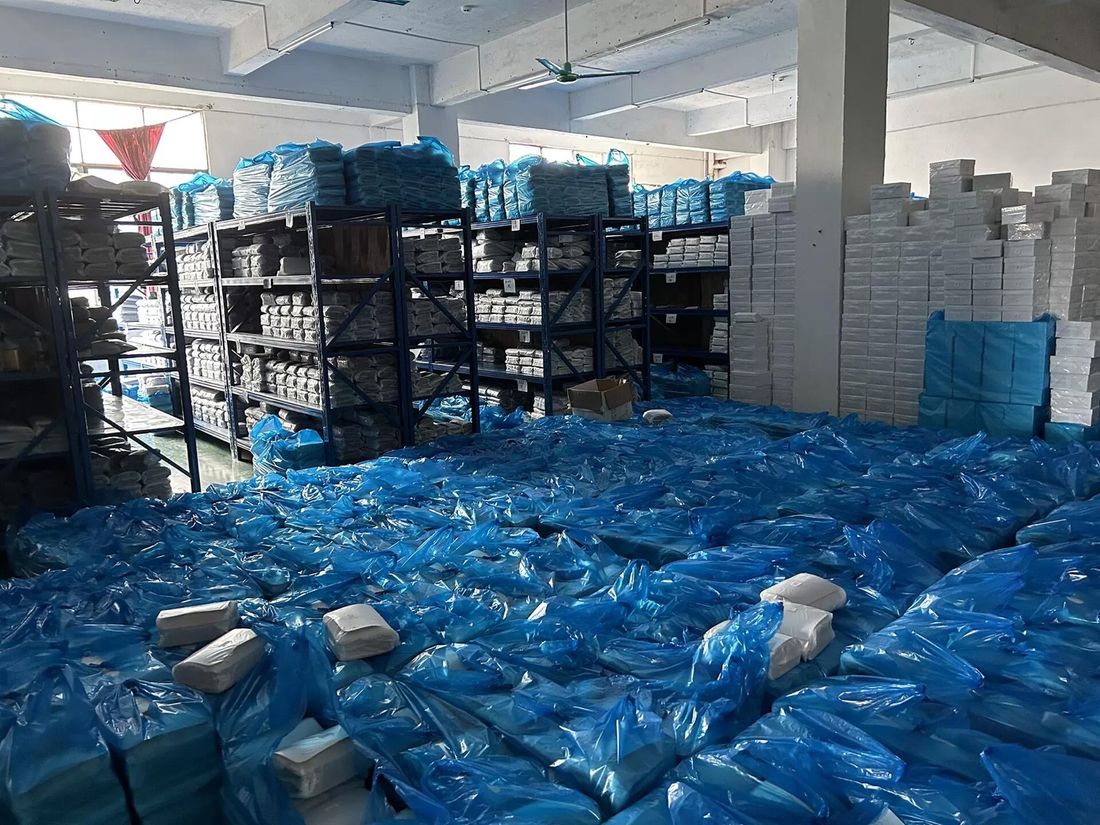
A true factory controls its own sample room and production floor, which means faster revisions, tighter quality control and direct communication with the people making your bag. Trading companies have their place, but if staying close to the people who actually make your bag matters to you — and it should — work with a factory and ask to see the workshop.
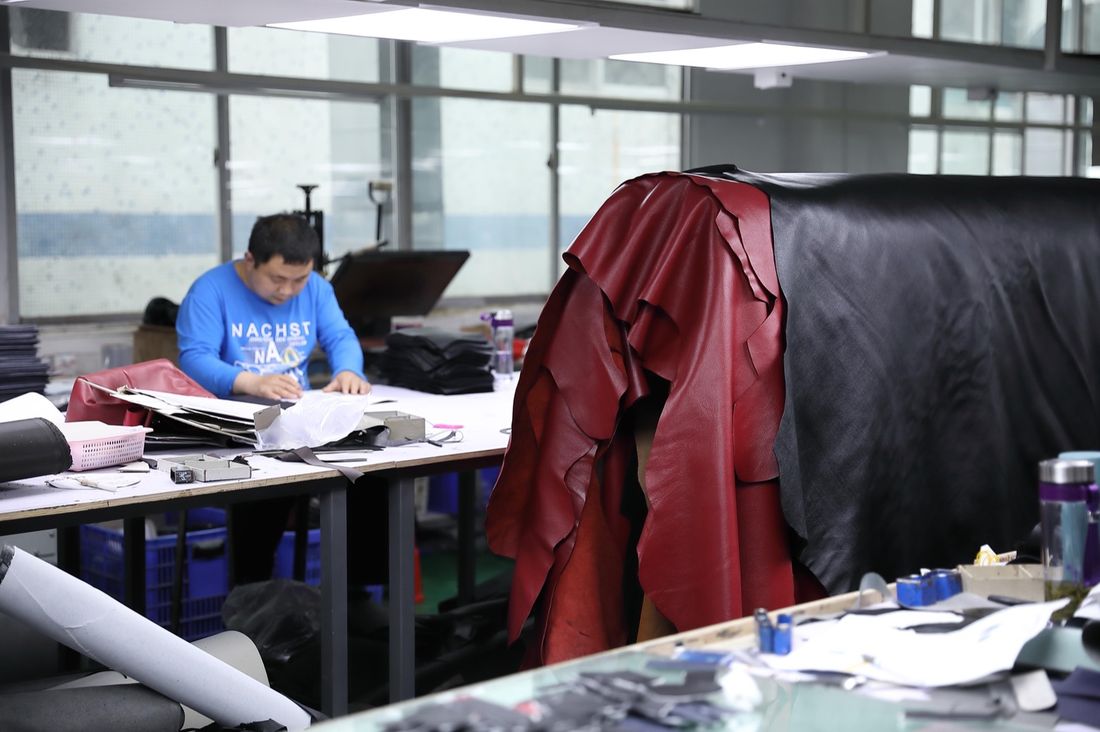
A sample room tells you more than any catalogue. Look for pattern paper on the tables, a variety of clients' prototypes, and craftsmen who handle leather confidently. A factory that develops samples seriously is a factory that produces seriously.
Finally, start with a trial order or a small run. A confident manufacturer will welcome it — it is the fastest way for both sides to learn how the other works.
Ask three questions before anything else. Does the factory have its own design and pattern room, or does it outsource development? Is sampling done in the same building as production? Is there a named QC standard — we inspect to AQL 2.5 — and who runs it? A workshop that develops, samples and produces under one roof shortens every feedback loop that follows. Ours has worked that way since 2018: 150 designs developed for more than 300 brand clients, by a 40-strong team.
A serious first order does not have to be a big one. Our minimums start at 50 pieces for stock, and 200 pieces per colour to add your logo, a new colour, or a new OEM development. What matters is that the numbers are honest — a supplier who promises any quantity at any price is planning to cut corners somewhere else.
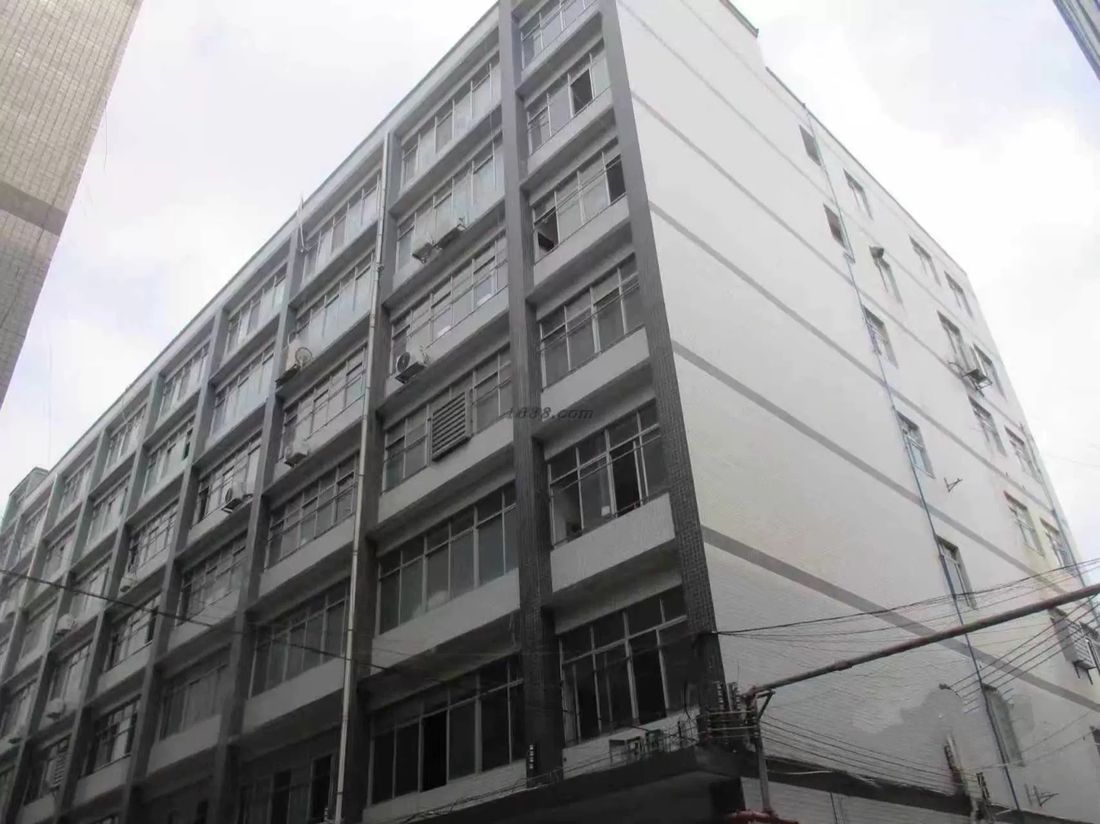
Message the factory before you commit. You should get real answers, not a brochure: a costed quote within 2–3 working days, a named contact on WhatsApp, and straight answers about materials and lead times. We answer Monday to Saturday, 9:00–18:00 GMT+8, and factory visits in Baiyun District, Guangzhou are welcome by appointment.
How do I tell a factory from a trading company? A factory controls its own sample room and production floor, which means faster revisions, tighter quality control and direct contact with the people making your bag. Ask which parts of production are in-house and which are subcontracted — the answer separates the two immediately.
What questions reveal a manufacturer's real capability? Who makes the samples and how long a revision cycle takes, which parts of production are in-house, how inline QC is organised and who signs off each batch, examples of similar construction, and what happens when a defect is found after shipment.
What should I look for in a sample room? Pattern paper on the tables, a variety of clients' prototypes, and craftsmen who handle leather confidently. A factory that develops samples seriously is a factory that produces seriously.
What QC standard should a supplier name? A named, written standard — we inspect to AQL 2.5 — with a person who runs it. A supplier who cannot name a standard cannot enforce one.
What are the red flags when choosing a manufacturer? A quote that arrives in minutes with no questions about materials or quantity, no QC standard the supplier can name, no sample room, prices far below every other quote with no explanation, and reluctance to video-call or to let you visit.
What is a sensible first order with a new factory? A trial order or a small run — a confident manufacturer welcomes it, and it is the fastest way for both sides to learn how the other works. Our minimums start at 50 pieces for stock.
Send us the category, a reference photo or a sketch — we come back with materials, a costed quote and a sampling plan, usually within 24 hours.
Start your inquiry